
Why Branding Is More Than a Logo: The Complete Brand Identity Guide
Branding goes far beyond a logo. Learn what a complete brand identity includes, why it matters for your business, and how to build one that drives recognition and trust.
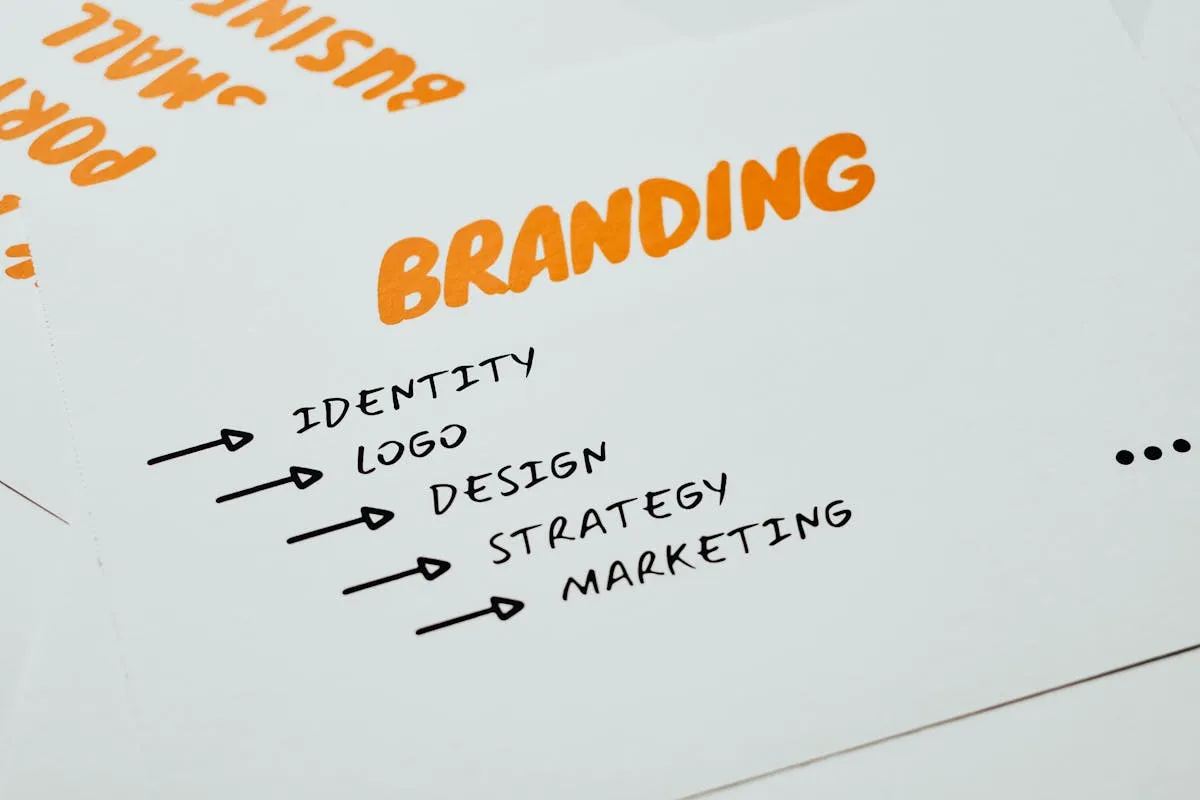
Many entrepreneurs think branding begins and ends with a logo. A freelancer designs a mark, you put it on your website and business cards, and the job is done. But branding goes much deeper than that. It’s the complete story your brand tells — from the colors you choose to the tone in which you communicate, from the way your website feels to the experience customers have when they contact you.
When Emma launched her sustainable fashion label in The Hague, she invested €2,000 in a beautiful logo. It looked great on screen. But her website used different colors, her Instagram posts had no visual consistency, and her packaging felt disconnected from everything else. Within a year she was frustrated: customers weren’t remembering her brand. “People would see my products at markets and ask if I was new, even though they’d bought from me before,” she told us. The problem wasn’t the logo. It was the absence of everything around it.
That story is more common than you’d think. This guide explains what branding actually means, what a complete brand identity includes, and why treating it as a strategic investment transforms how your business grows.
Key Takeaways
- A logo is one element of your brand identity, not the whole thing
- Brand identity includes visual design, tone of voice, brand story, and customer experience
- Consistent branding increases revenue by up to 23% according to Lucidpress research
- A brand identity package typically includes logo variations, color palette, typography, imagery guidelines, and a brand manual
- Investing in branding early saves time and money on every future marketing decision
What Is Branding, Really?
Branding is the total experience people have with your business. It’s not a single asset — it’s a system. It encompasses:
- Visual identity: logo, colors, typography, imagery style, layout patterns
- Tone of voice: how you write and communicate across every channel
- Brand story: why your company exists, what it stands for, and what makes it different
- Customer experience: every touchpoint, from website to customer service to packaging
Think of branding as the personality of your business. Just as you recognize a friend not just by their face but by how they talk, dress, and behave, customers recognize a brand by its entire presence.
The companies that understand this build recognition that compounds over time. It’s why you can identify an Apple product from across the room before you see the logo. It’s why IKEA’s yellow and blue feels instantly familiar in any country. These brands aren’t recognized by their logos alone — they’re recognized by consistent systems applied across thousands of touchpoints.
The Logo Is Just the Beginning
A good logo is important. It’s the most concentrated expression of your brand. But on its own, a logo can’t carry your entire brand identity.
Imagine having a beautiful logo, but your website looks messy, your social media posts are inconsistent, and your emails sound unprofessional. That logo won’t save you. In fact, the disconnect between a polished logo and an unpolished everything-else can actually make your brand feel less trustworthy, because it signals that you care about appearances but not about substance.
A logo only works when it’s part of a system. That system tells people what to expect from you, and then delivers on that expectation at every interaction.
What a Logo Can Do
- Create instant recognition at small sizes (favicons, social profiles)
- Anchor your visual identity with a memorable mark
- Signal professionalism and credibility
- Serve as a starting point for your entire design system
What a Logo Can’t Do
- Replace a brand strategy
- Fix inconsistent messaging
- Create customer trust on its own
- Compensate for a poor customer experience
If you’re exploring logo design as part of a broader visual identity, understanding what graphic design agencies in the Netherlands deliver can help set realistic expectations.
The Power of Consistency
Strong brands are recognizable. Think of Apple, Coolblue, or Rituals — you recognize them instantly, not just by their logo, but by their entire presence. The typography. The photography style. The way they write. That consistency doesn’t happen by accident; it’s the result of a deliberate brand strategy.
According to Lucidpress research, consistent brand presentation across all platforms increases revenue by up to 23%. That’s not a design statistic — it’s a business metric. Consistency builds familiarity, familiarity builds trust, and trust drives purchasing decisions.
How Inconsistency Hurts Your Brand
When your brand looks different across channels, customers experience cognitive friction. They can’t form a clear mental image of who you are. Common signs of brand inconsistency:
- Different colors on your website, social media, and print materials
- Switching between formal and casual tone without intention
- Logo appearing in different versions, sizes, or colors depending on the platform
- Photography that ranges from professional to smartphone snapshots
- No clear visual style connecting your marketing materials
Each inconsistency is a small signal that erodes trust. Individually they seem minor. Cumulatively, they make your brand forgettable.
How Consistency Compounds
When every touchpoint reinforces the same visual language and tone, something powerful happens: your brand becomes recognizable faster, your marketing becomes more efficient (because every piece reinforces every other piece), and your team spends less time making design decisions because the guidelines already exist.
What a Brand Identity Package Includes
A professional brand identity goes beyond a logo file. Here’s what a complete package typically contains:
1. Logo Variations
Not just one logo — a system of logo versions for different contexts:
- Primary logo: your main horizontal or stacked mark
- Secondary logo: simplified version for smaller spaces
- Icon / favicon: a standalone symbol for social profiles, app icons, browser tabs
- Monochrome versions: black and white variants for single-color applications
2. Color Palette
A defined set of colors with exact specifications:
- Primary colors: 2-3 main brand colors with hex, RGB, CMYK, and Pantone codes
- Secondary colors: supporting tones for variety without inconsistency
- Accent colors: highlights for CTAs, alerts, or emphasis
- Usage rules: which colors pair together and when to use each
3. Typography
Typography carries more emotion than most people realize. A brand identity defines:
- Primary typeface: for headlines and prominent text
- Secondary typeface: for body copy, captions, and supporting text
- Hierarchy rules: sizes, weights, and spacing for headings, subheadings, body text
- Web vs. print specifications: different fonts may be needed for digital and physical media
4. Imagery Style
Guidelines for photography, illustration, and graphic elements:
- Photo style (bright and airy? dark and moody? candid or staged?)
- Illustration approach (line art? flat design? hand-drawn?)
- Icon style (outlined? filled? minimal?)
- Image treatment (color grading, overlays, cropping conventions)
5. Brand Guidelines Document
The brand manual ties everything together into a single reference document. It ensures anyone who touches your brand — designers, marketers, external agencies, printers — applies it consistently.
A good brand guidelines document covers logo usage rules (minimum sizes, clear space, what not to do), color specifications, typography hierarchy, imagery direction, and tone of voice principles.
Branding as an Investment
A strong brand identity isn’t a cost — it’s an investment that pays returns across everything your business does.
Time Saved
With clear brand guidelines, your team stops debating design choices. “What color should this be?” “Which font do we use here?” “Does this look like our brand?” Those questions disappear. New marketing materials, social media posts, and presentations take half the time because the decisions are already made.
Marketing Efficiency
Every marketing effort you run becomes more effective when it builds on a consistent brand foundation. An ad campaign reinforces what your website shows. Your social media reinforces what your packaging communicates. Each touchpoint compounds the others.
Pricing Power
Research consistently shows that strong brands can charge premium prices. Customers pay more for brands they recognize and trust. A professional brand identity signals quality and credibility before a customer ever tries your product or service.
Talent Attraction
Strong brands attract better employees. People want to work for companies that look professional and have a clear identity. Your brand isn’t just customer-facing — it’s a recruitment tool.
How Much Does Branding Cost?
Branding costs vary significantly depending on scope and who does the work.
| Service | Typical Cost Range |
|---|---|
| Logo-only design (freelancer) | €500–€2,000 |
| Logo + basic brand guidelines | €2,000–€5,000 |
| Complete brand identity package | €5,000–€15,000 |
| Full branding with strategy | €10,000–€30,000+ |
The key is matching the investment to your needs. A startup with a limited budget can start with a solid logo and basic guidelines, then expand as the business grows. An established company looking to rebrand should invest in the full package including strategy work.
For a detailed breakdown of pricing by agency type, see our guide to creative agencies in the Netherlands.
Common Branding Mistakes to Avoid
Treating Your Logo as Your Entire Brand
The most common mistake. A logo without supporting brand elements is like a book cover without the book. Don’t stop at the logo — invest in the full system.
Copying Competitors
Taking inspiration is fine. Copying creates a brand that’s forever in someone else’s shadow. Your brand should differentiate you, not make you blend in.
Skipping Strategy
Jumping straight to design without understanding your target audience, positioning, and values leads to a brand that looks nice but doesn’t connect with anyone. Strategy first, design second.
Changing Too Often
Consistency needs time to work. Rebranding every two years prevents customers from ever forming a strong association with your brand. Commit to your identity and let it build recognition.
Designing by Committee
When every stakeholder has equal input on design decisions, the result is bland compromise. Designate clear decision-makers and trust your design team’s expertise.
When Should You Invest in Branding?
Starting a New Business
If you’re launching a new venture, investing in brand identity from the start prevents expensive corrections later. It’s much cheaper to build right than to fix. Need practical starting points? Our design tips for small businesses cover the basics.
Outgrowing Your Current Brand
If your business has evolved but your brand hasn’t kept up, it’s time for a rebrand. Signs you’ve outgrown your brand: your logo was made in a DIY tool, you feel embarrassed sharing your website, or clients are surprised by your quality because your visual presence undersells you.
Entering New Markets
Expanding geographically or into new segments often requires refreshing your brand to resonate with new audiences while maintaining core identity.
After Major Business Changes
Mergers, new leadership, product pivots, or shifts in positioning are natural moments to reassess your brand identity.
Frequently Asked Questions
What is the difference between a logo and a brand? A logo is a single visual mark that identifies your business. A brand is the complete system of visual, verbal, and experiential elements that shape how people perceive your company. The logo is one component of the brand, like a person’s face is one part of their identity.
How long does a branding project take? A basic logo and brand guidelines package typically takes 4-6 weeks. A complete brand identity with strategy can take 8-12 weeks. Timelines vary by agency and scope, but rushing branding usually leads to subpar results.
Can I do my own branding? You can start with DIY tools for a basic logo, but professional brand identity work requires design expertise and strategic thinking. Most businesses reach a point where professional branding becomes necessary for growth.
How often should I update my brand? Major rebrands happen every 7-10 years on average. Minor refreshes (updating colors, modernizing typography) happen more frequently. The key is evolving without losing recognition.
What makes a strong brand identity? A strong brand identity is distinctive (stands out from competitors), consistent (applied uniformly across all channels), authentic (reflects real company values), flexible (works across different media and contexts), and memorable (sticks in people’s minds).
Your Next Step
Branding is one of the most important decisions you’ll make for your business. The right brand identity doesn’t just make you look professional. It makes every marketing effort more effective, builds customer trust, and creates the recognition that drives long-term growth.
If your logo is currently doing all the heavy lifting for your brand, it’s time to build the system around it.
Want to learn more about how a strong brand identity can help your business grow? Get in touch with the CoolBerry team. You can also explore our creative services for a full overview of what we offer.